Good evening, and welcome to the Slatest. I’m your new host, Ian Prasad Philbrick. As you’ll see, we’ve refreshed and revamped the newsletter to help you better understand the biggest news story of each weekday—and to offer you great options for an intentional, doomscroll-free, and fulfilling night. It’s been a newsy day, so let’s get into it.
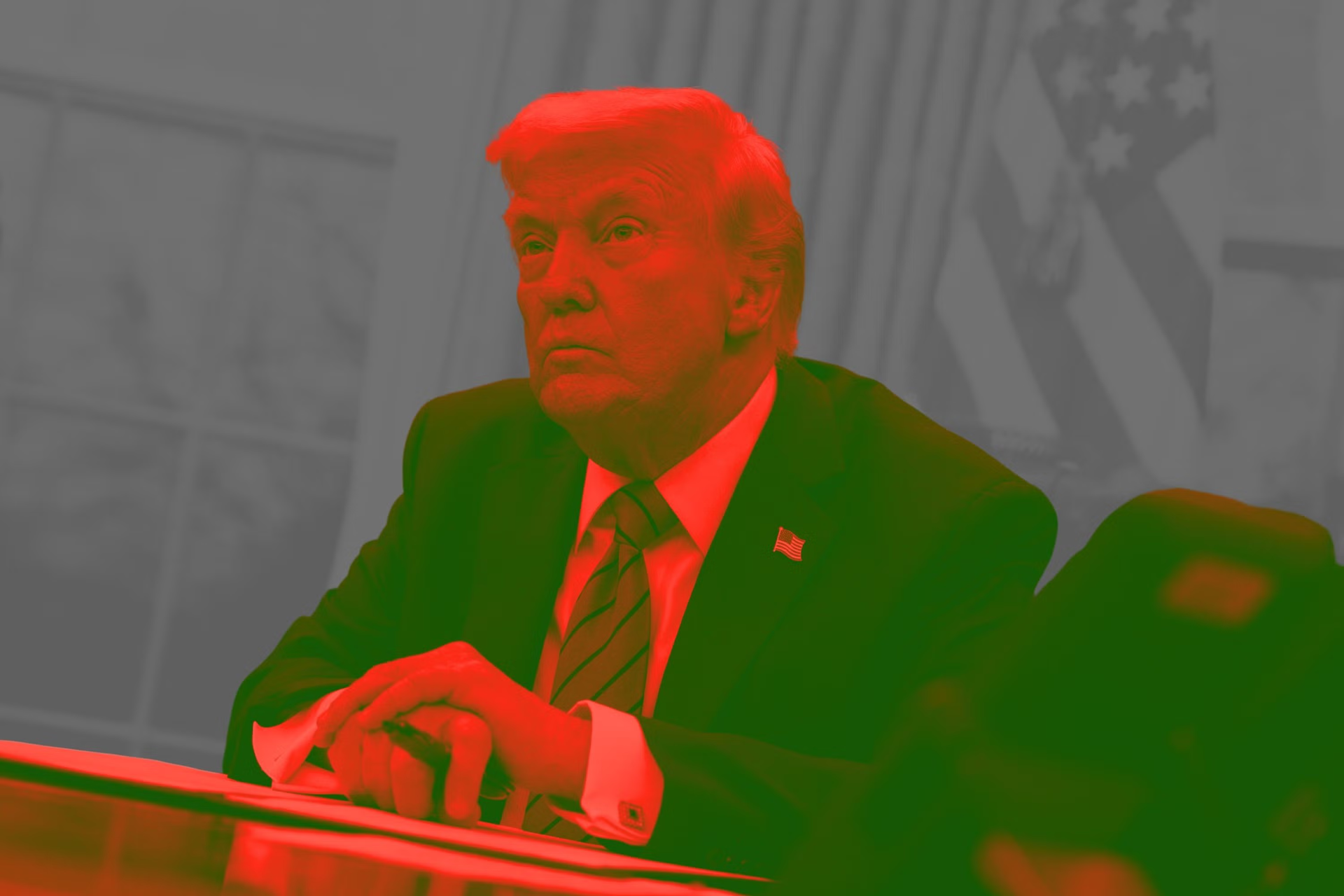
Donald Trump has officially signed a deal with Iran aimed at ending his three-and-a-half-month war against the Islamic republic. If you’ve consumed some of the coverage of the deal, you’ve probably encountered phrases like uncertainties remain, unresolved questions, and others that basically mean that journalists, experts, and maybe even U.S. and Iranian officials don’t yet know what exactly the deal entails, whether it will last, or what happens next. Here’s what we know—and don’t—so far.
But we’ve had a ceasefire for a long time. How is the new deal different?
Good question. The U.S. and Iran formally stopped fighting more than two months ago. But the ceasefire was shaky; during it, both sides exchanged attacks and blockaded the Strait of Hormuz, a commercial waterway for oil and other goods off Iran’s coast. Think of this deal—formally called a “memorandum of understanding”—as a starting gun for talks that could yield a lasting peace. As my Slate colleague Fred Kaplan writes, it’s more a framework than a deal.
OK, but is it going to stick?
I don’t have a crystal ball. But unlike the dozens of other times Trump has claimed that a deal is imminent, both sides have signed this one, and it hasn’t fallen apart. At least not yet.
So what’s in it?
The deal would reportedly extend the ceasefire for another 60 days, reopen the Strait of Hormuz to shipping, and kick off more complicated negotiations over Iran’s nuclear program—one of the justifications Trump gave for launching the war in the first place.
But here’s where the uncertainties come in. Neither the Trump administration nor Iran has released the actual text, so the deal’s precise language remains secret. That has let both sides portray it as a win, but in ways that sometimes conflict. Iranian state media says the deal unlocks billions of dollars in sanctions relief; U.S. officials say that depends on Iran’s behavior. Vice President J.D. Vance claims that the strait will be “opened in a toll-free way,” as it was before the war; Iran says it may still charge fees. Trump says the text will become public this week, so we may soon learn what’s actually been agreed to.
Trump keeps saying Iran can’t get a nuclear weapon, and you’re telling me this deal doesn’t even guarantee that it won’t?
Right-o! During his first term, Trump ripped up the nuclear agreement Barack Obama had negotiated with Iran (without firing a shot). That agreement restricted Iran’s ability to enrich uranium and required inspections to ensure it wasn’t making a bomb. Trump then launched a war in part to achieve the same goal. But the deal he’s now crowing about ensures only that the U.S and Iran will talk about new nuclear limits. And even if they do reach an accord, it may look a lot like the one Trump trashed nearly a decade ago.
Why would Trump sign this?
He may be trying to cut his losses. The war has spiked U.S. gas prices, cost taxpayers billions, and driven Trump’s approval ratings lower. Notwithstanding his bluster and threats, Trump has seemed desperate to score a deal for weeks. And even though the deal leaves important details unresolved, he’s already spinning it as a success.
Israel and Lebanon are also fighting. Does this deal end that conflict too?
Iran supports Lebanon’s Hezbollah militia and has demanded that any peace deal bar Israel from further attacking it. Trump has suggested that this deal does that. But Israel, which isn’t party to it, seems Big Mad. In a Monday press conference, Prime Minister Benjamin Netanyahu distanced himself from the deal and ominously vowed that Israel’s “struggle is not over.”
What happens next?
The deal is already inked, but Vance and Iranian officials are scheduled to ceremonially sign it in Geneva on Friday. Then the negotiations over Iran’s nuclear program, U.S. sanctions, and other issues will begin.
So things could still go sideways?
Correct! Stay tuned.